
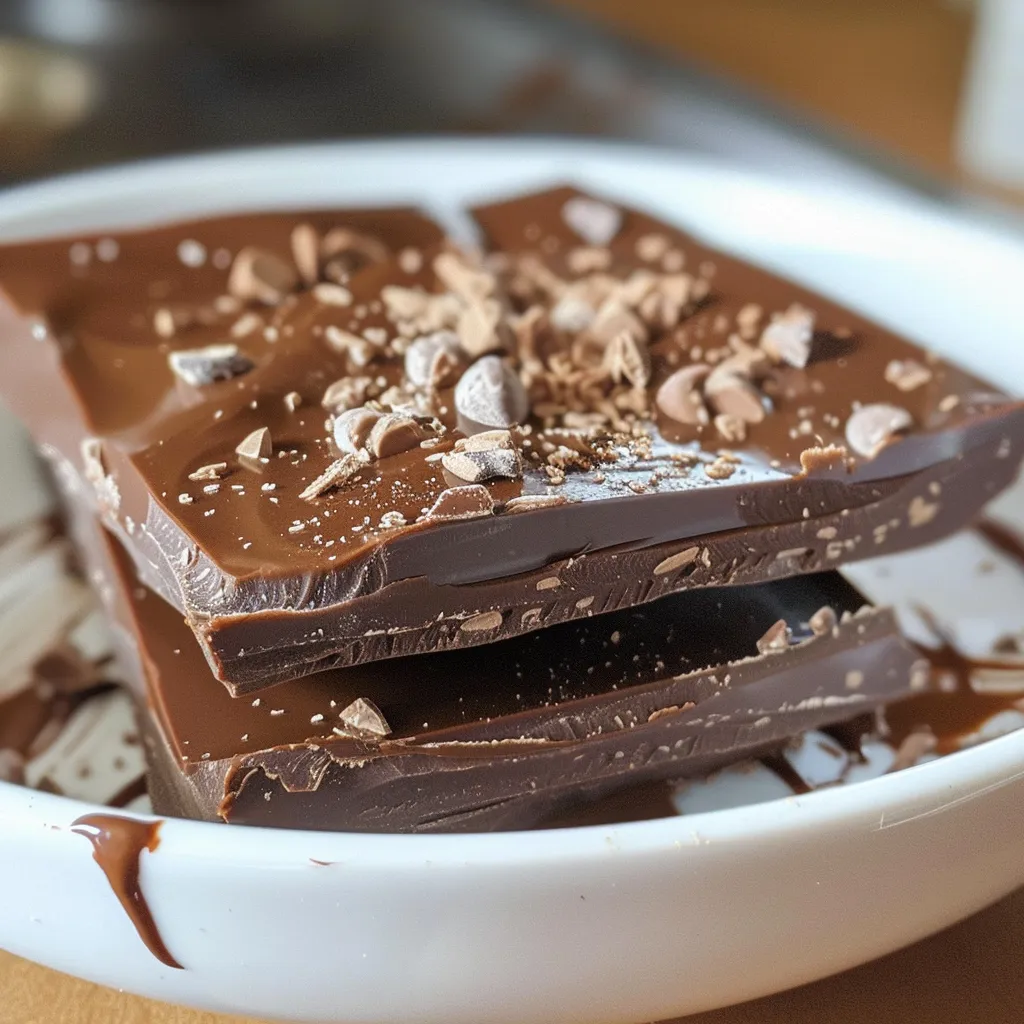
Have you ever wanted to impress your family and friends with your chocolate-making skills? Well, you’re in for a treat! Today, I’m excited to share my experience with the Aula de Temperagem de Chocolate, a delightful class that teaches you how to master the art of tempering chocolate. Not only is this technique essential for creating beautiful truffles and bonbons, but it also opens the door to endless possibilities in the kitchen. And let’s be honest, who doesn’t love chocolate? Plus, if you’re looking for easy pasta recipes to pair with your sweet creations, I’ve got you covered!
Why You’ll Love This Recipe
- Perfect for creating stunning desserts that will wow your guests.
- Learn a skill that enhances your baking and cooking repertoire.
- Great for family bonding—get the kids involved in chocolate-making!
- Versatile technique that can be used in various recipes, from truffles to chocolate-covered fruits.
- It’s a fun and engaging way to spend an afternoon.
Ingredients
To get started with your chocolate tempering journey, you’ll need a few simple ingredients. Here’s what you’ll need:
- 1 pound of high-quality chocolate (dark, milk, or white)
- Optional: flavorings like vanilla extract or sea salt
Full ingredient list with measurements is provided in the printable recipe card below.
How to Make the Recipe
Now, let’s dive into the step-by-step process of tempering chocolate:
- Chop the Chocolate: Start by chopping your chocolate into small, even pieces. This helps it melt uniformly.
- Melting: Place about two-thirds of the chopped chocolate in a heatproof bowl. Set it over a pot of simmering water (double boiler method) and stir until melted.
- Cool Down: Remove the bowl from heat and add the remaining one-third of the chocolate. Stir continuously until it cools down to about 88°F to 90°F for dark chocolate, or 86°F to 88°F for milk and white chocolate.
- Test the Temper: To check if your chocolate is tempered, dip a small piece of parchment paper into the chocolate and let it sit at room temperature. If it hardens quickly and has a nice shine, you’re good to go!
- Use It: Now that your chocolate is tempered, you can use it for dipping fruits, making truffles, or creating beautiful chocolate decorations.
Pro Tips for Making the Recipe
Here are some helpful suggestions to ensure your chocolate tempering experience is a success:
- Always use a thermometer to monitor the temperature of your chocolate.
- Make sure your utensils and bowls are completely dry; any moisture can cause the chocolate to seize.
- Experiment with different types of chocolate to find your favorite flavor and texture.
- If you’re short on time, consider making 30-minute meals that incorporate your tempered chocolate, like a quick chocolate sauce for drizzling over desserts.
How to Serve
Once you’ve mastered the tempering technique, the possibilities are endless! Here are some serving suggestions:
- Dip fresh strawberries or bananas in your tempered chocolate for a delightful treat.
- Make homemade truffles by rolling chocolate ganache in cocoa powder or crushed nuts.
- Use your tempered chocolate to create decorative shards for cakes and pastries.
- Pair your chocolate creations with creamy garlic pasta for a unique flavor combination that will surprise your guests!
Make Ahead and Storage
If you want to prepare your chocolate in advance, here are some storage tips:
- Tempered chocolate can be stored at room temperature in an airtight container for up to two weeks.
- If you have leftover tempered chocolate, you can re-temper it by gently reheating it.
- For longer storage, consider making chocolate treats ahead of time and freezing them. They make for great weeknight dinner ideas when you need a quick dessert!
In conclusion, mastering the art of tempering chocolate is not only a fun and rewarding experience, but it also allows you to create delicious treats that your family and friends will adore. So, roll up your sleeves, gather your ingredients, and let’s get started on this sweet adventure together!
Aula de Temperagem de Chocolate
Ingredients
Main Ingredients
- 1 pound chocolate (preferably couverture)
Instructions
- Practice tempering chocolate manually during the class.
- Learn techniques to produce truffles, bonbons, cups, and fudge.