Have you ever found yourself in a culinary rut, staring at your pantry and wondering what to whip up for dinner? If you’re like me, you love quick family dinners that don’t skimp on flavor. Today, I’m excited to share a delightful recipe that not only brings life back to your kitchen but also introduces you to the wonderful world of wild yeast. Yes, I’m talking about reactivating your wild yeast starter! This process is simpler than you might think, and it’s a fantastic way to elevate your baking game. Plus, it pairs beautifully with easy pasta recipes for those busy weeknights!
Why You’ll Love This Recipe
- It’s a fun and rewarding kitchen project.
- Perfect for those who love baking bread and want to use natural ingredients.
- Enhances the flavor of your baked goods.
- Can be used in various recipes, including creamy garlic pasta dishes!
- Great for making 30-minute meals that impress your family.
Ingredients
To reactivate your wild yeast starter, you’ll need just a few simple ingredients that you probably already have at home:
- 1 cup of all-purpose flour
- 1 cup of water (preferably filtered)
- 1 tablespoon of sugar or honey
- Your dormant wild yeast starter
Full ingredient list with measurements is provided in the printable recipe card below.
How to Make the Recipe
Now, let’s dive into the step-by-step process of reactivating your wild yeast starter:
- Mix the Ingredients: In a large bowl, combine your dormant wild yeast starter with the flour, water, and sugar or honey. Stir until you have a smooth, thick batter.
- Let it Rest: Cover the bowl with a clean kitchen towel or plastic wrap and let it sit at room temperature for 24 hours. This allows the wild yeast to wake up and start bubbling.
- Feed Your Starter: After 24 hours, check your mixture. If it’s bubbly and has a pleasant smell, it’s time to feed it! Add another cup of flour and a cup of water, mix well, and let it rest for another 24 hours.
- Repeat: Continue this feeding process for about 5-7 days until your starter is consistently bubbly and doubles in size within a few hours of feeding.
- Store It: Once your starter is active, you can store it in the fridge and feed it weekly. Just remember to bring it back to room temperature and feed it before using it in your recipes!
Pro Tips for Making the Recipe
Here are some helpful suggestions to ensure your wild yeast starter is a success:
- Use filtered water to avoid chlorine, which can inhibit yeast growth.
- Keep your starter in a warm spot, ideally between 70-80°F, to encourage fermentation.
- If your starter isn’t bubbling after a few days, try moving it to a warmer location or adding a bit more sugar to feed the yeast.
- Don’t be afraid to experiment! Each starter is unique, and you might find that yours has its own personality.
How to Serve
Once your wild yeast starter is active, the possibilities are endless! You can use it to make delicious homemade bread, pancakes, or even creamy garlic pasta. Just imagine serving a warm loaf of bread alongside your favorite pasta dish for a cozy family dinner. It’s the perfect way to impress your loved ones with minimal effort!
Make Ahead and Storage
If you’re planning to use your wild yeast starter regularly, you can keep it in the fridge for up to a week without feeding. Just remember to take it out a day before you plan to bake, feed it, and let it come to room temperature. If you want to store it for longer, consider freezing it in an airtight container. When you’re ready to use it again, simply thaw it in the fridge and follow the feeding instructions to reactivate it.
In conclusion, reactivating your wild yeast starter is not only a fun kitchen project but also a gateway to creating delicious meals that your family will love. Whether you’re whipping up 30-minute meals or planning a cozy weekend baking session, this starter will elevate your culinary creations. So, roll up your sleeves, gather your ingredients, and let’s get baking!
Como Reativar Fermento Selvagem
Ingredients
group
- recipiente de vidro grande com tampa
- 1 cup água potável
- 1.5 cups farinha de trigo
Instructions
- Coloque cerca de 200mL de água no recipiente de vidro.
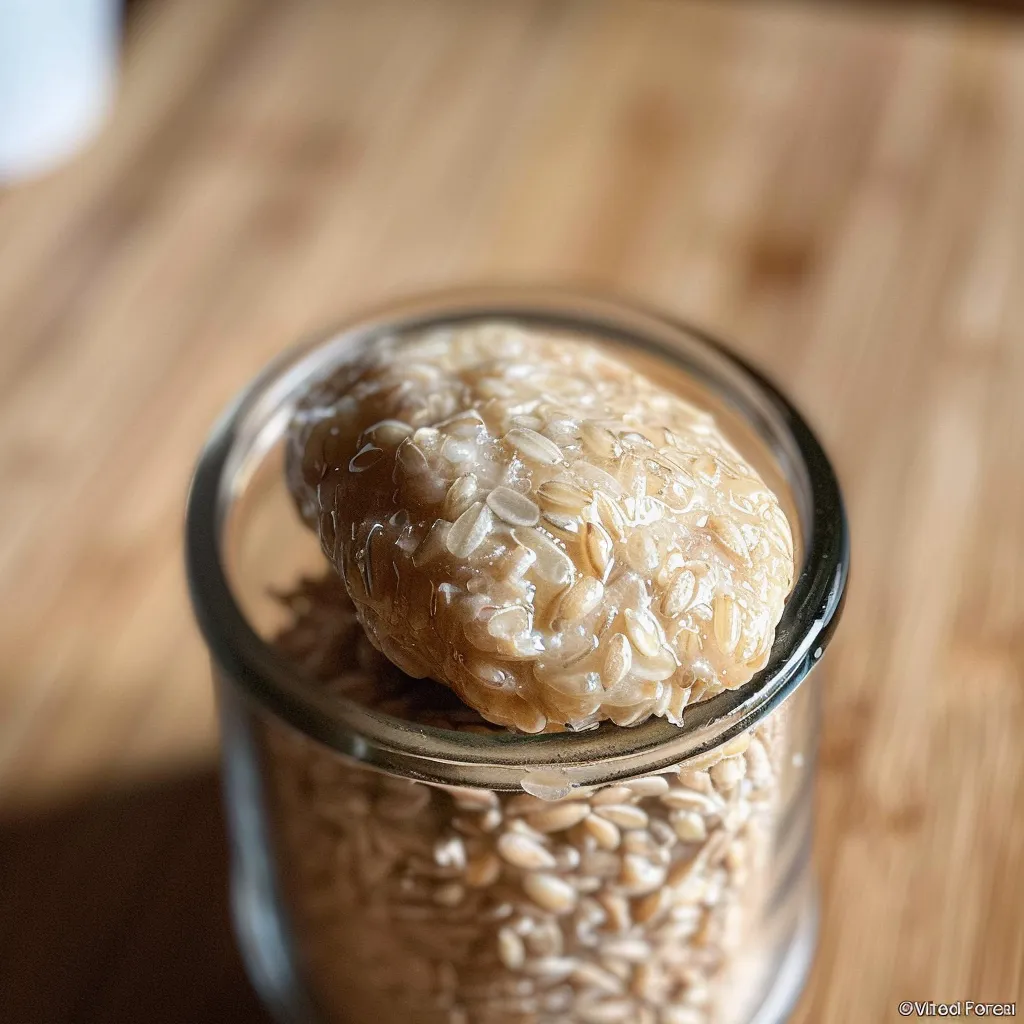
- Adicione a bolinha de fermento e deixe descansar em temperatura ambiente por 1-2h.
- Amasse a bolinha com um garfo e adicione cerca de 200g de farinha de trigo, misturando bem.
- Deixe descansar por mais 1-2h até parecer um mingau.
- Quando ocorrer fermentação, adicione partes iguais de farinha e água (200g e 200mL).
- Repita o processo de manutenção adicionando farinha e água regularmente.
- O processo total dura cerca de 1-2 dias.
- Não rosqueie o frasco com força; deixe entre-aberto para evitar pressão.