
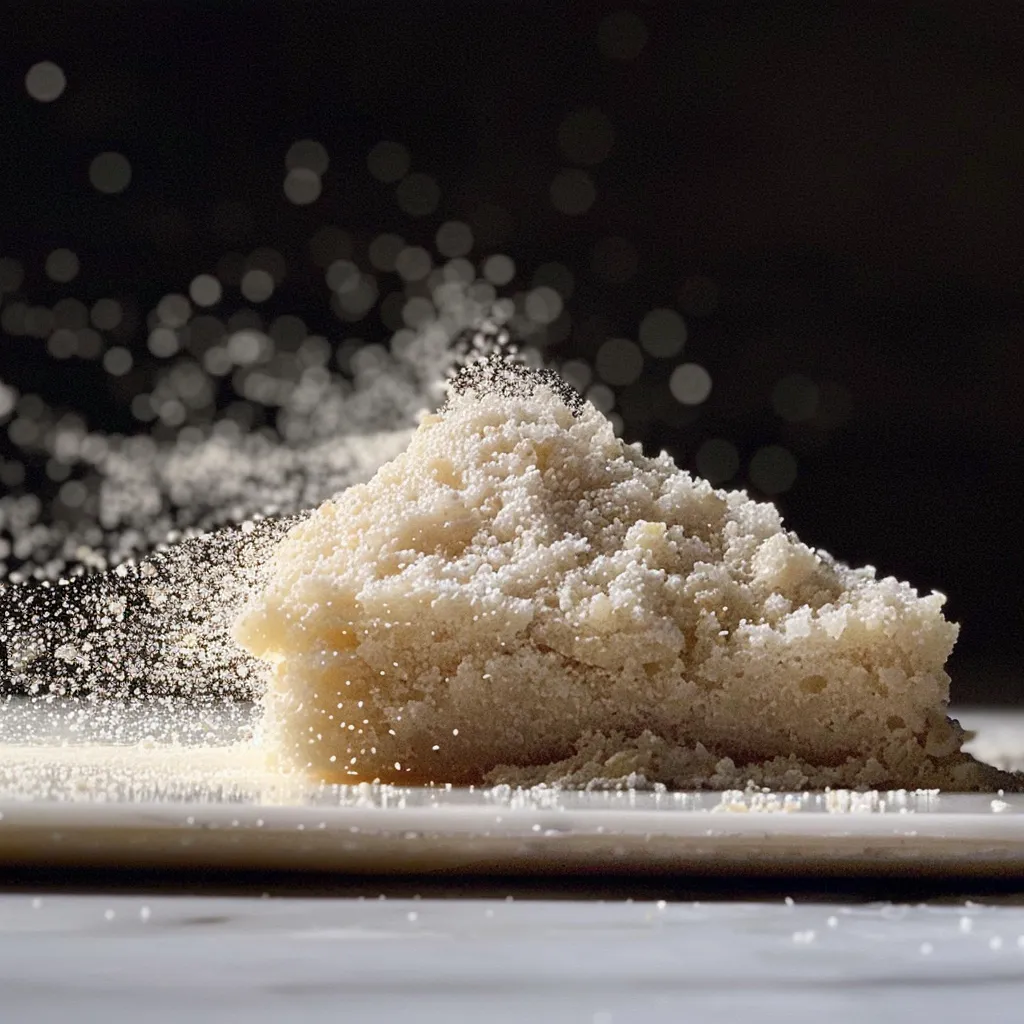
Have you ever wondered how farinha de trigo is made? This versatile ingredient is a staple in many kitchens, especially for those of us who love to whip up easy pasta recipes and quick family dinners. Today, I’m excited to take you on a journey through the production of farinha de trigo and share some key quality tests that ensure it’s perfect for all your baking needs. Let’s dive in!
Why You’ll Love This Recipe
- Perfect for 30-minute meals that the whole family will enjoy.
- Essential for creating delicious creamy garlic pasta that’s sure to impress.
- Great for making homemade bread, pastries, and more!
- Easy to find and use in a variety of recipes.
- Quality-tested to ensure the best results every time.
Ingredients
To understand how farinha de trigo is made, we first need to look at its primary ingredient: wheat. The process begins with selecting high-quality wheat grains, which are then cleaned and milled to produce flour. The milling process involves several steps, including:
- Cleaning: Removing impurities and foreign materials from the wheat.
- Conditioning: Adding moisture to the wheat to prepare it for milling.
- Milling: Grinding the wheat into flour using a series of rollers.
- Sieving: Separating the flour from the bran and germ to achieve the desired texture.
Full ingredient list with measurements is provided in the printable recipe card below.
How to Make the Recipe
Now that we know how farinha de trigo is produced, let’s talk about how to use it in your cooking. Here’s a simple step-by-step guide to making a delicious pasta dish using this wonderful flour:
- Start by boiling a pot of salted water for your pasta.
- In a separate pan, melt some butter and sauté minced garlic until fragrant.
- Add your cooked pasta to the pan, along with a splash of pasta water.
- Stir in some heavy cream and grated Parmesan cheese to create a creamy sauce.
- Season with salt, pepper, and fresh herbs to taste.
- Serve immediately and enjoy your creamy garlic pasta!
Pro Tips for Making the Recipe
Here are some helpful suggestions to ensure your pasta dish turns out perfectly every time:
- Use high-quality farinha de trigo for the best texture and flavor.
- Don’t overcook your pasta; it should be al dente for the best results.
- Feel free to add vegetables or protein to your pasta for a complete meal.
- Experiment with different herbs and spices to customize your dish.
- Make sure to reserve some pasta water; it helps to thicken the sauce!
How to Serve
This creamy garlic pasta is perfect for a cozy weeknight dinner. Serve it with a side salad and some crusty bread for a complete meal. You can also sprinkle some extra Parmesan on top for added flavor. If you’re looking for more weeknight dinner ideas, consider pairing this dish with grilled chicken or shrimp for a heartier option!
Make Ahead and Storage
If you want to prepare this dish ahead of time, you can cook the pasta and sauce separately. Store them in airtight containers in the refrigerator for up to three days. When you’re ready to eat, simply reheat the sauce and toss it with the pasta. This makes for a quick and easy meal that’s perfect for busy nights!
In conclusion, understanding how farinha de trigo is made and its quality tests can elevate your cooking game. Whether you’re whipping up 30-minute meals or planning a family gathering, this flour is a must-have in your pantry. So, the next time you’re in the kitchen, remember the journey of farinha de trigo and enjoy the delicious results!
Farinha de Trigo
Ingredients
Main
- 2 cups Farinha de trigo
- 0.5 cups água
Instructions
- Obter o produto pela moagem do grão de trigo.
- Classificar a farinha de acordo com o tipo de trigo usado.
- Determinar a força da farinha usando um alveógrafo.
- Analisar o teor de cinzas para entender a quantidade de farelo e gérmen.
- Medir a capacidade de hidratação com um farinógrafo.